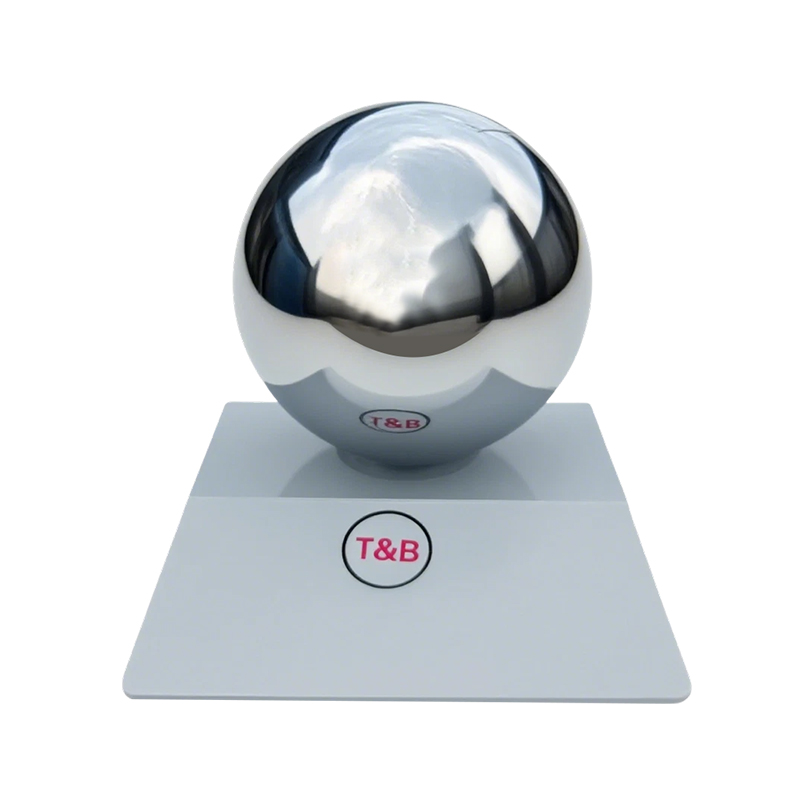

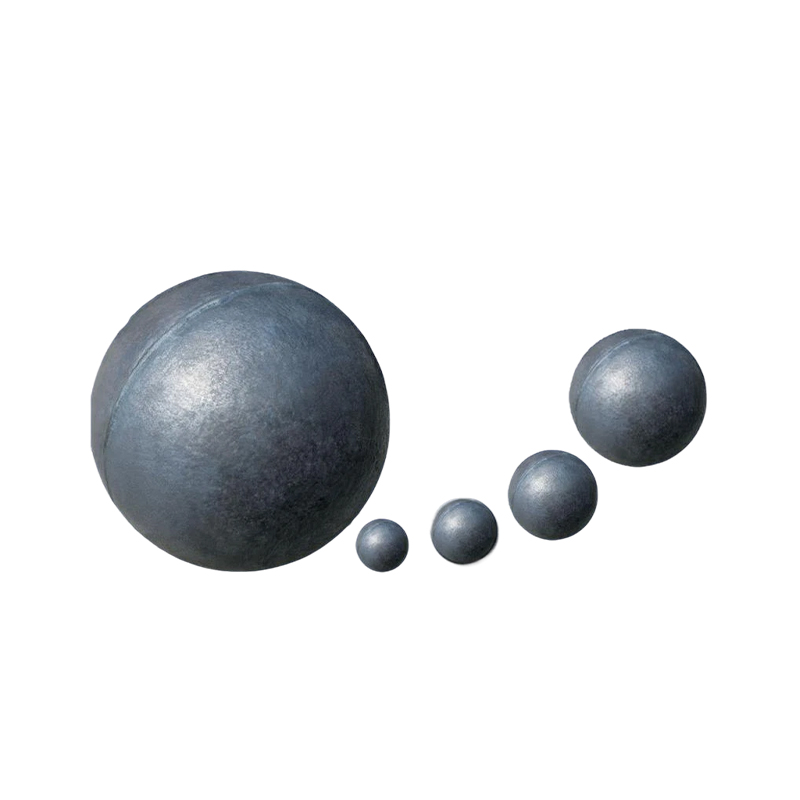
In high-end machinery manufacturing, the value of a steel ball lies far beyond its smooth, rounded shape; it lies in its internal density and homogeneity.
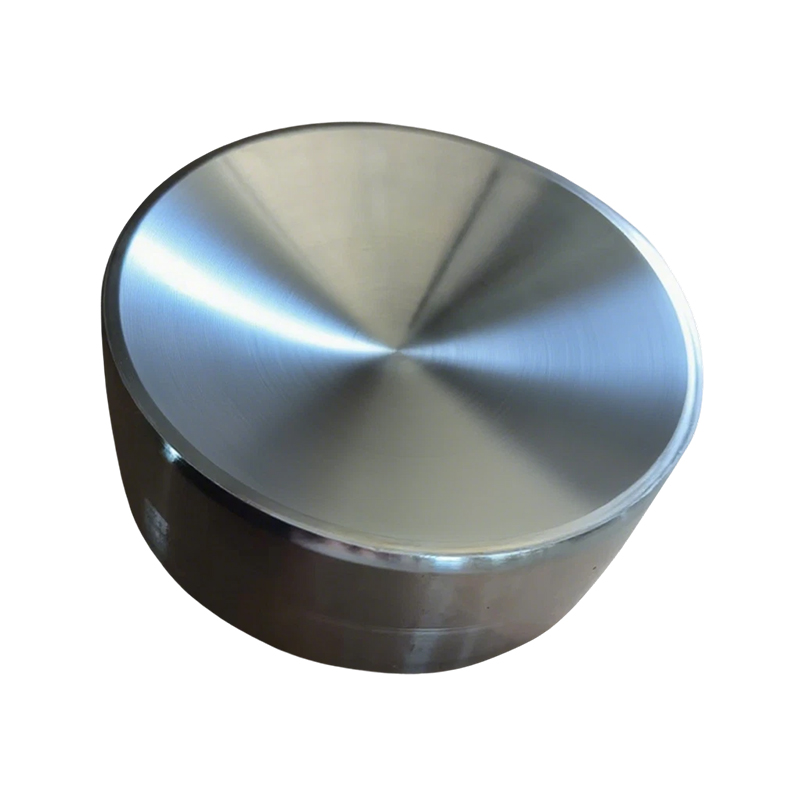
Especially in high-precision industrial scales, platform scales, or truck scales, even minor installation deviations or uneven contact can lead to nonlinear errors, hysteresis, or poor repeatability. Therefore, an indenter with precise pressure control ca
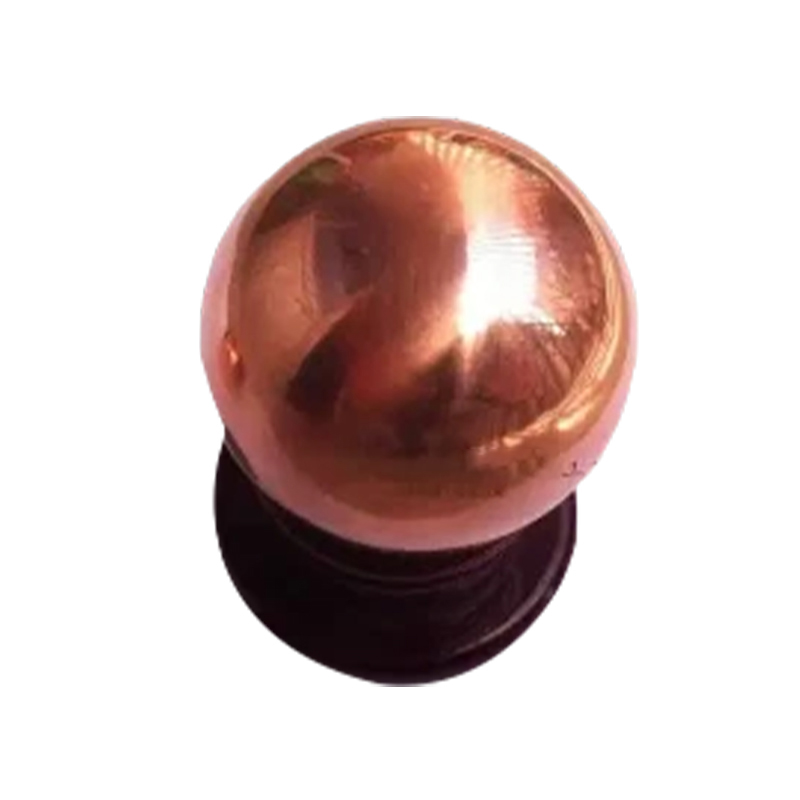
In semiconductor manufacturing, electroplating processes, precision bearings, and even high-end electronic connectors, a seemingly ordinary copper ball—especially a phosphorus copper ball—often plays a crucial functional role.
In the fields of precision measurement and materials testing, the indenter, as a crucial contact tool, directly affects the reliability and repeatability of test results.
The steel used for bearing assembly steel balls must achieve a delicate balance between ultra-high hardness and high toughness to resist repeated contact fatigue, micropitting, and spalling failure.
After passivation is complete, the stainless steel ball must be thoroughly rinsed with plenty of clean water to remove residual passivation solution and acidic substances, preventing damage to the film.