
After passivation is complete, the stainless steel ball must be thoroughly rinsed with plenty of clean water to remove residual passivation solution and acidic substances, preventing damage to the film.
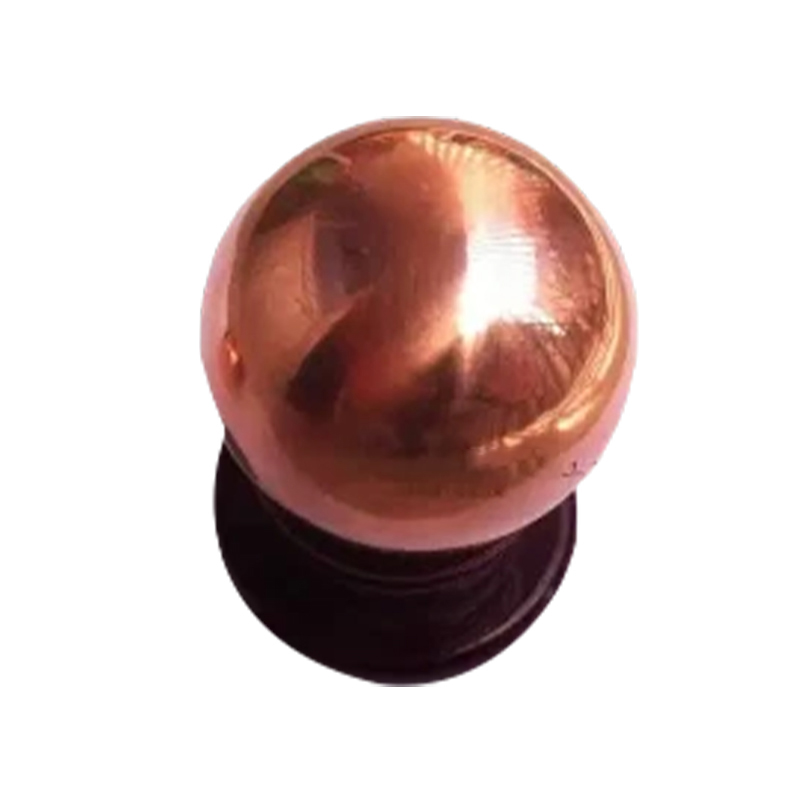
Controlling shrinkage defects in copper ball casting requires collaborative optimization across the entire process, including design, technology, materials, molds, and post-processing.
In the design and manufacture of medical devices, the selection of every tiny component is crucial to patient safety and device reliability.
Therefore, achieving a "crack-free surface" is a core quality control goal during the steel ball blank forging process. This requires coordinated control across multiple steps, from raw material selection and process design to process monitoring.
Although small, the copper ball is a key component in sprayer equipment that determines the stability of liquid flow. Through high-precision manufacturing.
As the core component of rolling bearings, the performance of bearing assembly steel balls directly determines the bearing's load capacity, operating precision, and service life.